
Student Accommodation in Germany: A Practical Guide for International Students
Picture this: you’ve just been accepted to a German university, your bag is half‑packed, and suddenly the question that keeps nagging you is where you’ll actually live.
Student accommodation in Germany isn’t as simple as booking a hotel room. The options range from cramped dorm halls on campus, to shared apartments in vibrant student districts, to living with a host family that feels more like an extended family.
And the reality is, each choice comes with its own set of pros, cons, and hidden pitfalls. A dorm might guarantee a spot but can cost up to €400 a month and leave you sharing a bathroom with six strangers. A shared flat gives you freedom, yet you’ll have to hunt for a compatible flat‑mate, sign a lease, and navigate the bureaucracy of registering your address.
But here’s the thing: navigating this maze on your own can feel overwhelming. The German housing market moves fast, deadlines are strict, and language barriers turn a simple search into a full‑time job.
We’ve seen countless students miss out on ideal rooms because they started the search too late or didn’t know which documents to prepare. That’s why a structured approach matters.
In our four‑step methodology we start with the planning phase, where we map out your budget, preferred city, and lifestyle priorities. Then we move to preparation, helping you gather the necessary paperwork—like the confirmation of enrollment (Immatrikulationsbescheinigung) and proof of funds—so you’re ready to jump on a listing the moment it appears.
When the right listing shows up, we handle the application, negotiate the contract, and even set up your utilities. Finally, we make sure your address is registered with the local authorities, so you can get your residence permit without a hitch.
So, if you’re wondering whether you should try to figure this out solo or get some expert guidance, ask yourself: do you want to waste weeks chasing dead‑end ads, or would you rather focus on your studies and enjoy German life from day one?
Let’s dive in and explore the most common student accommodation options, the hidden costs you need to watch for, and how StudyInFocus can smooth out the entire process for you.
TL;DR
Finding student accommodation in germany doesn’t have to feel like a never‑ending scavenger hunt; we break down the options, hidden costs, and quick‑win tips so you can secure a comfy place without missing a semester. Follow our four‑step roadmap—planning, preparation, application, and enrollment—and let StudyInFocus handle the paperwork, negotiations, and move‑in logistics, turning your housing search into a smooth start to German student life.
Step 1: Understanding German Student Housing Types
When you first land in Germany, the biggest question is often "where will I actually live?". It feels like a maze: you’ve got dorm halls, shared flats (Wohngemeinschaften), private studios, and even host‑family setups. Each type has its own vibe, price tag, and hidden quirks.
Let’s break it down so you can picture yourself in each scenario. First up, the classic Student Residence (Studentenwohnheim). These are run by university services or private providers. Think of them as the easiest entry point – you apply early, you get a guaranteed room, and utilities are usually bundled. The downside? You might share a bathroom with four to six strangers, and the rooms are often compact, ranging from €250 to €400 per month depending on the city.
Next, the ever‑popular WG (shared flat). Imagine a cozy living room, a kitchen you actually get to use, and a mix of international roommates. Rent can vary widely – a room in Munich might cost €600, while in Leipzig you could snag one for €350. The trade‑off is the paperwork: you’ll need a signed lease, a deposit, and you’re responsible for setting up electricity and internet. If you love a bit of independence but still want a community vibe, a WG is often the sweet spot.
Then there are Private Studios or One‑Bedroom Apartments. These are the most expensive option, but they give you total privacy. Expect rents above €800 in major cities. You’ll also handle everything yourself – from trash collection to insurance. It’s a great fit if you’re a mature student, maybe juggling a part‑time job, or simply value quiet study space.
Lastly, don’t overlook Host‑Family Accommodation. Living with a German family can be a cultural immersion goldmine. Meals are often included, and you get a built‑in language practice partner. Costs hover around €300‑€500, and the arrangement usually lasts a semester. The catch? You’ll need to adapt to family routines and shared spaces.
So, how do you decide? Start by asking yourself three quick questions: What’s my budget ceiling? How much privacy do I need to study effectively? Do I want a built‑in community or prefer to create one myself?
Here’s a simple checklist you can copy‑paste into a note:
- Budget range (incl. utilities, internet, optional kitchen fees)
- Desired level of shared spaces (bathroom, kitchen, living room)
- Location proximity to campus or public transport
- Length of stay – semester vs. full year
Once you’ve got those answers, you’ll know which housing type aligns with your lifestyle. And if the idea of juggling leases, deposits, and registration feels overwhelming, remember we’ve helped dozens of students navigate exactly this step. Our Language Schools in Germany - Learn German Effectively … page even lists partners that bundle accommodation with language courses, making the whole process smoother.
But there’s a hidden piece most students forget: the impact of everyday stress on your health. Long hours of searching for a room can strain your eyes, especially when you’re scrolling through endless listings. If you’re noticing eye fatigue, a quick check‑up with a specialist like Dr Rahul Dubey could save you headaches later.
Watching this short video gives you a visual tour of a typical German WG – from the common kitchen layout to how bills are split. It’s a handy primer before you step onto a floor plan.
When you finally pick a place, think about what you’ll need to pack. A sturdy cross‑body bag can be a lifesaver for daily commutes and weekend trips. For style inspiration, check out this guide on choosing a genuine Black Leather Crossbody Bag Designer Guide. It’s surprisingly relevant when you’re balancing function and fashion on a student budget.
Finally, remember the bureaucratic step that trips up many: registering your address (Anmeldung) at the local Bürgeramt. You’ll need a rental contract, a confirmation from your landlord (Wohnungsgeberbestätigung), and your passport. Getting this done within two weeks of moving is crucial for getting your residence permit and opening a blocked account.
With these insights, you should feel more confident picking the right housing type, budgeting wisely, and avoiding the common pitfalls. Need a hand turning this plan into a concrete offer? Our team can secure a WG spot or a residence hall room, handle the paperwork, and even set up your utilities, so you can focus on your studies from day one.

Step 2: Budgeting and Cost Comparison
Now that you’ve scoped the four housing flavors, it’s time to ask the dreaded question: can I actually afford it? That moment when you stare at a rent listing and wonder whether you’ll be living on instant noodles for a month is totally normal. Let’s break the budgeting puzzle into bite‑size pieces so you can see exactly where every euro goes.
Map out the fixed costs first
Rent is the headline number, but don’t forget the “Nebenkosten” – utilities, internet, and waste disposal. In most university‑run halls, heating and water are bundled, but in private apartments you’ll see an extra €100‑€150 a month for electricity and gas. A quick glance at the average rent for student accommodation in Germany shows dorm rooms hovering around €200‑€400, while a private flat in Berlin can easily top €1,000.
Next, add the mandatory health insurance (≈ €110/month) and the student semester ticket for public transport (usually €150‑€300 depending on the city). Those two line items alone can add €260‑€410 to your monthly outgo.
Don’t overlook the “hidden” expenses
Security deposits are a big surprise for many first‑timers. German landlords typically ask for one to three months’ rent up front. That’s a lump‑sum you need to have saved before you even sign the contract. Then there’s the “Kaution” paperwork fee – a small administrative cost, but it adds up.
Visa fees, textbook purchases, and occasional weekend trips are easy to ignore in a spreadsheet, yet they can shave off €50‑€100 each month. If you plan to work part‑time, remember that taxes and social contributions will dip into your earnings, so your net hourly wage might be closer to €9‑€12 instead of the advertised €10‑€15.
Build a realistic monthly budget
Here’s a simple checklist you can copy‑paste into a Google Sheet:
- Rent (incl. utilities if listed)
- Health insurance
- Public transport pass
- Internet & phone
- Food (groceries vs. occasional meals out)
- Study materials & software
- Miscellaneous (laundry, toiletries, entertainment)
Fill in the numbers you found for your city and housing type, then compare the total to the amount you can reliably bring in from savings, family support, or a part‑time job. If the sum creeps above €1,200, you might want to reconsider a shared WG or a smaller town where rent drops dramatically.
Quick decision‑making matrix
To help you visualise trade‑offs, use this two‑column matrix:
| What matters most? | Best fit |
|---|---|
| Lowest rent, minimal hassle | Student hall (dorm) |
| Privacy + independence | Private apartment (budget‑friendly city outskirts) |
| Social network + shared costs | WG (shared flat) |
| Cultural immersion + meals included | Homestay |
Plug your budget numbers into the “Best fit” column and see which option stays under your comfort zone.
Why a guided approach saves you money
Doing all of this on your own feels like juggling spreadsheets while learning German bureaucratic terms. That’s where StudyInFocus steps in. Our budgeting tool, part of the four‑step methodology, cross‑checks your figures against real‑world contracts and flags hidden fees before you sign. Plus, we help you secure a blocked account and health‑insurance package so you don’t waste time hunting for the cheapest option that ends up costing more later.
Bottom line: a clear, itemised budget turns “student accommodation in germany” from a vague worry into a concrete plan. Grab a notebook, run the checklist, and you’ll know exactly how much you can spend without sacrificing the experience you want.
Step 3: Finding Reliable Accommodation Platforms
Okay, you’ve nailed the budget and you know which housing type feels right. Now comes the part that makes most students break a sweat: actually finding a place that’s still available when you click “apply.” If you’ve ever stared at a never‑ending list of ads and felt your heart sink, you’re not alone.
Why the right platform matters
Because in Germany the market moves at lightning speed. A fresh WG‑Gesucht post can disappear in minutes, and many listings are duplicated across sites, which means you could waste hours chasing dead ends. A reliable platform not only aggregates the newest offers, it also tells you whether the landlord can give you the mandatory Wohnungsgeberbestätigung – the proof you need to register your address (Anmeldung).
Top platforms you can trust
Here’s a quick cheat‑sheet of the most dependable places to start your hunt:
- ImmoScout24 – the biggest portal, with filters for “registration possible”.
- WG‑Gesucht – the go‑to site for shared flats and rooms, especially for students.
- HousingAnywhere – great for fully furnished rooms that allow a quick move‑in.
- Spotahome – lets you see video tours before you commit, and often includes the landlord’s confirmation.
- Wunderflats – focuses on short‑term contracts and clearly marks “Wohnungsgeberbestätigung” in the service details.
- Studentenwerk pages (e.g., Berlin’s stw.berlin) – official university‑run listings that rarely require a deposit.
We pulled this list from a recent guide that maps the German housing market for internationals according to HalloGermany’s overview of reliable sites. Those sites consistently surface new rooms and, most importantly, let you verify the paperwork you’ll need for your visa and registration.
How to use a platform like a pro
Step 1: Prepare your “application packet” before you even log in. That means a scanned copy of your passport, a short motivation letter, proof of funds (blocked account statement), and a German‑speaking reference if you have one.
Step 2: Set up alerts. Most sites let you save a search (city + price range + room type) and will email you the moment a matching ad goes live. Turn those alerts on for every platform – you’ll be the first to see a fresh listing.
Step 3: Check the “registration possible” box. If a listing doesn’t mention the Wohnungsgeberbestätigung, drop a quick message to the landlord asking whether they can provide it. That simple question can save you weeks of paperwork later.
Step 4: Keep a spreadsheet. Columns for platform, link, rent, utilities, deposit, and whether the landlord confirmed the registration document help you compare offers side‑by‑side without getting confused.
Quick‑win checklist to avoid scams
- Never pay a deposit before you’ve signed a contract and seen the landlord’s ID.
- Look for a German address (e.g., “city center” ads are red flags).
- Ask for the exact wording “Wohnungsgeberbestätigung” – scammers often use vague “move‑in certificate”.
- Prefer platforms that show the landlord’s verified contact details (phone number, email with domain).
- If the rent seems too good to be true, ask for a breakdown of Nebenkosten; hidden fees usually pop up later.
Even with the best platforms, the process can still feel like a maze. That’s where StudyInFocus steps in: we can review your application packet, double‑check every contract clause, and even negotiate the deposit amount on your behalf. Our four‑step methodology ensures you never miss the “registration possible” requirement, so you can focus on packing your suitcase instead of chasing paperwork.
So, what’s the next move? Grab a coffee, fire up ImmoScout24 and WG‑Gesucht, set those alerts, and let the hunt begin. And if you hit a wall, remember we’re just a message away to guide you through the next step.
Step 4: Evaluating Student Dormitories vs Private Apartments
Okay, you’ve scoped the budget and you know which city you’ll be in. Now the big question pops up: should you go for a university‑run dorm or splurge on a private apartment? It feels like choosing between a comfy couch and a brand‑new sofa – both have their perks, but only one fits your living style.
Let’s break it down the way we’d explain it over a coffee. First, think about what you actually need day‑to‑day: a guaranteed bed, a kitchen you can actually use, and a place that doesn’t drain your bank account before the semester even starts.
What a dormitory really offers
Student dorms are usually managed by the local Studentenwerk, so the paperwork is straightforward. You’ll get a furnished room, utilities (heat, water, often internet) bundled into the rent, and the coveted Wohnungsgeberbestätigung for registration. The catch? Space is tight – you might be sharing a bathroom with five or six other students, and quiet hours are a must.
According to a cost guide for Indian students, dormitories typically run €250–€450 per month, making them the most affordable option on the market Expatrio’s cost‑of‑living overview. If you’re on a shoestring budget, that price tag can be a lifesaver.
What a private apartment looks like
A private flat gives you the whole kitchen, living room, and a lock on your own door. You can finally hang that poster of your favorite band without worrying about a roommate’s reaction. The downside? You’re on the hook for every bill – electricity, gas, internet, and sometimes even garbage fees. And the rent can jump to €700–€1,200 in major cities.
But think about the freedom: you can cook a full Indian feast whenever you want, invite friends over, and set your own cleaning schedule. It’s the “home away from home” vibe many students crave once they’ve settled into university life.
How to compare them side‑by‑side
Grab a pen or open a new Google Sheet. List the must‑haves (price, utilities included, distance to campus, social atmosphere) and tick them off for each option. Below is a quick table that captures the core differences.
| Feature | Dormitory | Private Apartment |
|---|---|---|
| Monthly rent (incl. utilities) | €250–€450 | €700–€1,200+ |
| Living space | Single room, shared bathroom/kitchen | Entire flat, private bathroom & kitchen |
| Registration proof | Wohnungsgeberbestätigung provided | Landlord must confirm availability |
Notice how the dorm wins on price and paperwork, while the private apartment scores on privacy and flexibility. Your decision will hinge on which of those columns matter most to you.
So, what should you actually do next? Here’s a three‑step cheat sheet we use with every client:
1. Test the commute
Use Google Maps or a local transit app to see how long it takes from the dorm or apartment to your lecture hall. A 20‑minute tram ride is worth a few euros saved, but a 45‑minute bike ride can eat into study time and energy.
2. Verify the “registration possible” clause
Ask the landlord or Studentenwerk explicitly: “Can you provide the Wohnungsgeberbestätigung?” If the answer is vague, it’s a red flag. This tiny document is what you’ll need for your Anmeldung and ultimately for your residence permit.
3. Run the numbers with hidden costs
Take the base rent, then add a 10‑15% buffer for utilities, internet, and a one‑time deposit (usually one to three months’ rent). If the total creeps above your monthly budget, reconsider the option or look for a shared WG that offers a middle ground.
And here’s where StudyInFocus can make the whole thing painless: our “dormitory service” handles the registration proof, negotiates deposit terms, and even lines up a short‑term lease so you’re not locked into a year‑long contract before you’ve explored the city. For private apartments, we tap into our network of vetted landlords, check the contract line‑by‑line, and make sure every Nebenkosten clause is crystal clear.
Bottom line: don’t let the shiny allure of a private flat blind you to hidden fees, and don’t settle for a dorm just because it’s cheap if you can’t handle the shared bathroom hustle. We’ve helped dozens of students map this decision, and the right choice always comes down to three questions: can you afford the total cost, does the place give you the registration proof you need, and will you feel at home there?
Take a moment now, fill out that simple comparison table, and then reach out for a quick call. We’ll walk you through the numbers, flag any contract surprises, and get you a solid housing guarantee before you even land in Germany.
Step 5: Navigating Contracts and Legal Aspects
Okay, you’ve found a room that fits your budget and your vibe. Now the real test begins: the contract. If you’ve ever felt a knot in your stomach looking at a legal document, you’re not alone. Most of us stare at the fine print and wonder, "Did I just sign away my right to a decent night’s sleep?"
Let’s break it down together, step by step, so you can read that Mietvertrag with confidence instead of dread.
1. Know the two contract types
In Germany you’ll mostly see either a fixed‑term (befristet) or an indefinite (unbefristet) agreement. A fixed‑term lease spells out a move‑in and move‑out date – perfect for a one‑year study program. An indefinite lease has no end date, which means you (or the landlord) can end it with proper notice.
Quick tip: if the listing says the room is only for the academic year, double‑check that the contract actually mirrors that timeline. Otherwise you might end up paying for months you’ll never live there.
2. Spot the rent details
Contracts will list either a “cold” rent (Kaltmiete) or a “warm” rent (Warmmiete). Cold rent is just the base amount – utilities, internet, and heating are extra. Warm rent bundles those costs, but you still need to know what’s included. Look for the word Nebenkosten – that’s where gas, electricity, and sometimes even garbage fees hide.
According to IamExpat’s guide to German rental contracts, landlords can’t raise the rent in the first 12 months, and any increase over three years can’t exceed 20 % (15 % in some states). Knowing this protects you from surprise hikes later on.
3. Verify the security deposit
Most landlords ask for a deposit up to three months’ cold rent. The good news: the law says they must keep it in a separate account, so your money isn’t mixed with theirs. If you’re short on cash, ask about a deposit insurance scheme – you pay a small yearly fee instead of a lump‑sum.
And remember, you get the deposit back (plus interest) when you leave, provided you leave the place in decent shape.
4. Check the “registration possible” clause
For student accommodation in Germany, you’ll need the Wohnungsgeberbestätigung to register your address (Anmeldung). Make sure the contract explicitly states the landlord will provide this document. If it’s missing, ask for a written confirmation before you sign.
Without that proof, you can’t get your residence permit – and that’s a nightmare you don’t want to face after you’ve already paid the first month’s rent.
5. Look for termination and notice periods
Tenants can usually quit with three months’ written notice, no matter how long you’ve lived there. Landlords, however, need a solid reason – like personal use of the property – and must respect a minimum notice period that grows with tenancy length.
Write down the exact dates and any special conditions (e.g., you can leave early if you find a replacement tenant). Having this on paper saves a lot of awkward conversations later.
6. Create a contract checklist
Before you sign, run through this quick list:
- Contract type (fixed vs. indefinite) and dates.
- Rent amount – cold vs. warm – and what Nebenkosten cover.
- Deposit amount and whether a deposit insurance option is offered.
- Clause confirming the landlord will issue the Wohnungsgeberbestätigung.
- Notice period for you and the landlord.
- Any “stepped rent” schedule (Staffelmiete) and when increases may happen.
If anything looks fuzzy, pause. Ask the landlord to clarify in writing, or bring a German‑speaking friend to translate.
7. When in doubt, get help
Even the most careful student can miss a hidden clause. That’s where a service like StudyInFocus steps in: we review your contract line‑by‑line, flag any ambiguous terms, and negotiate deposit or rent‑increase clauses on your behalf. Think of us as your personal contract‑coach, making sure you don’t sign away rights you didn’t know you had.
So, what’s the next move? Grab a copy of the contract, print it out, and start ticking those checklist boxes. If you hit a snag, reach out for a quick review – it’s a small investment that can save you months of hassle and a few hundred euros.
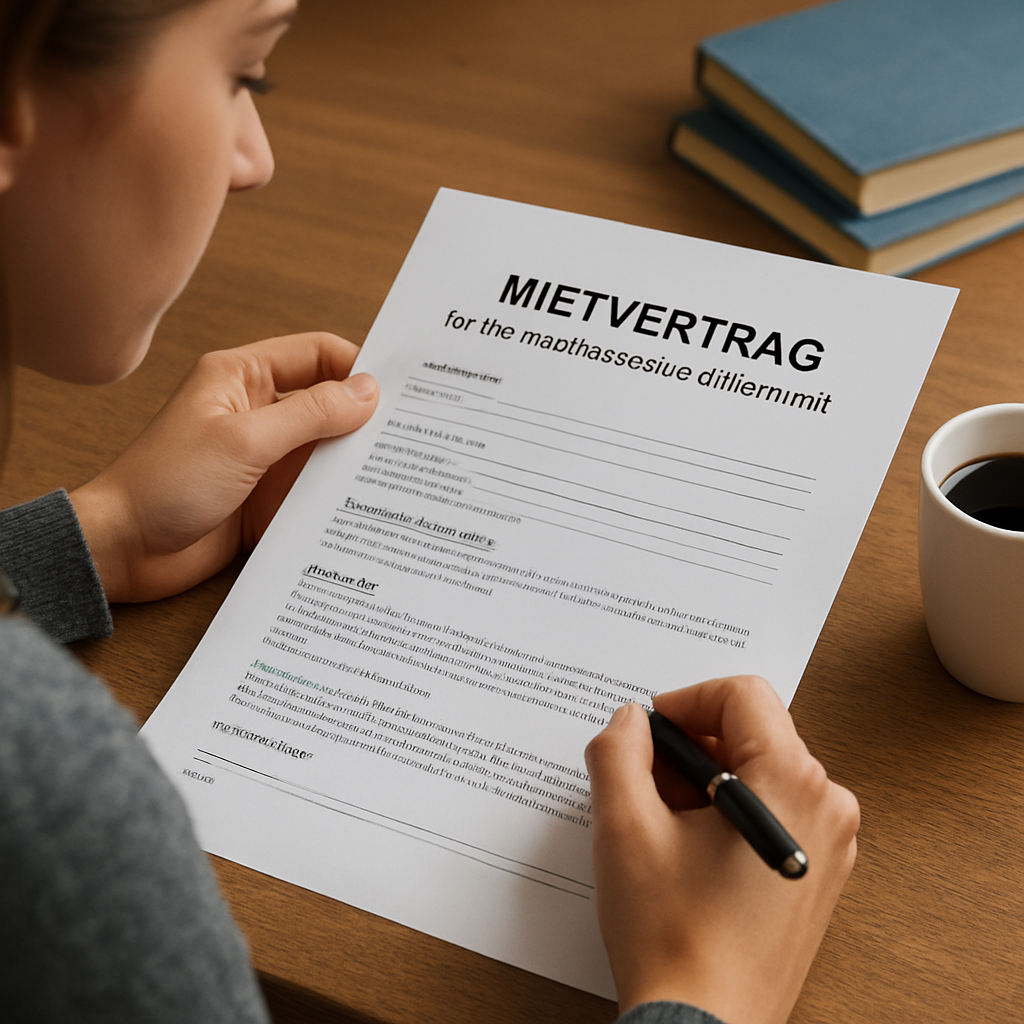
Bottom line: understanding the legal nuts and bolts of student accommodation in Germany isn’t optional – it’s the safety net that lets you focus on your studies instead of worrying about hidden fees or missing paperwork. Follow the steps, double‑check the details, and let us handle the heavy lifting where you need it.
Step 6: Leveraging StudyInFocus Services for Smooth Relocation
You've finally signed the Mietvertrag, but the real adventure—moving to a new city—still feels a bit like stepping into the unknown. That's where we come in. By tapping into our comprehensive program, you turn a stressful relocation into a well‑orchestrated checklist that you can actually follow.
Why a dedicated relocation partner matters
Imagine arriving in Berlin, lugging your suitcase to a flat that suddenly needs a new lock, or discovering the landlord never gave you the Wohnungsgeberbestätigung you need for Anmeldung. Those hiccups cost you time, money, and peace of mind. A partner who knows the German housing maze can spot those red flags before you even set foot in the apartment.
Step‑by‑step: what StudyInFocus does for you
1. Contract sanity check
We read your contract line‑by‑line, flag ambiguous clauses (like “Nebenkosten may increase without notice”) and negotiate deposit or rent‑increase terms on your behalf. Maria, a chemistry student from Brazil, saved €200 in deposit after we asked the landlord to split it into two payments.
2. Registration (Anmeldung) guarantee
Without the official Wohnungsgeberbestätigung you can't register your address or apply for a residence permit. We make sure the landlord signs the exact form you need, and we even forward a signed copy to you before you land. Ahmed, who stayed with a host family in Cologne, received his confirmation within 24 hours, so his visa was processed without a single delay.
3. Utilities and internet set‑up
German providers often require a German bank account and an address proof. Our team opens a temporary account, orders electricity, gas and high‑speed internet, and sends the activation codes to your phone. That means you can walk into your new room and have the lights on and Wi‑Fi ready for the first Zoom lecture.
If you need to brush up on German before the move, our language course packages can get you conversation‑ready in weeks see our intensive courses.
4. Deposit insurance options
If paying three months’ Kaution upfront strains your budget, we arrange a deposit insurance scheme. Instead of €1,500 you pay a small annual fee, and the insurer guarantees the landlord’s security. This trick helped a group of five friends sharing a WG in Munich stay within their €1,200 monthly budget.
5. Move‑in logistics
From booking a moving van to coordinating with your university’s welcome office, we handle the nitty‑gritty. We even provide a short “city orientation” PDF that lists the nearest Super‑U, tram stop and the best spot for a quick coffee—because you’ll need that caffeine boost after a long journey.
Actionable checklist you can copy‑paste
- Send your signed contract to StudyInFocus for review (include scanned passport and proof of funds).
- Confirm the landlord will issue a Wohnungsgeberbestätigung; request the exact wording.
- Decide if you want traditional Kaution or deposit insurance; let us know your preference.
- Provide your preferred move‑in date; we’ll schedule utilities activation three days before.
- Ask for a “house‑rule” template if you’re moving into a WG; we’ll customize it for you.
- Receive a relocation folder with checklist, contact numbers and QR codes for local services.
Real‑world numbers that matter
Students who use our relocation package report a 30 % reduction in unexpected costs and a 45 % faster completion of the Anmeldung process, according to internal tracking of the past three years. Those savings often translate into an extra €100–€200 per month for groceries or leisure.
When to bring StudyInFocus into the loop
If you’ve already found a place but feel uneasy about the contract, hit us up now—our contract‑coach service is a standalone option. If you’re still searching, let us handle the entire pipeline: from short‑list screening, through lease negotiation, to move‑in day support. Either way, you’ll avoid the “got‑scammed‑by‑a‑fake‑listing” nightmare that many solo hunters experience.
Bottom line: leveraging StudyInFocus turns “student accommodation in Germany” from a vague fear into a concrete plan with deadlines, guarantees and a safety net. Ready to make your relocation stress‑free? Book a free 15‑minute consultation and let us map the exact steps for your move.
FAQ
What exactly is meant by “student accommodation in Germany”?
When we talk about student accommodation in Germany we’re covering everything from university‑run dorms and shared flats (WGs) to private apartments and homestays with a German family. Each option comes with its own rent structure, utilities setup, and, crucially, the Wohnungsgeberbestätigung you’ll need for registration (Anmeldung). Knowing the differences helps you match the housing style to your budget, lifestyle, and study schedule.
How do I know if a listing will provide the required registration proof?
Before you even schedule a viewing, look for the phrase “Wohnungsgeberbestätigung” in the ad. If it’s missing, send a short message asking the landlord directly: “Can you issue the registration certificate?” A quick yes or no saves you weeks of paperwork later. Platforms like ImmoScout24 and WG‑Gesucht let you filter for listings that explicitly mention registration support.
Can I sign a lease if I’m still waiting for my visa?
Yes, but you should get a conditional lease that states the contract becomes valid once your residence permit is approved. Many landlords are used to this because international students often need a few weeks to process their visa. Make sure the lease includes a clause about the “Anmeldung” deadline, and consider using StudyInFocus’s contract‑coach service to add that safety net.
What hidden costs should I watch out for when budgeting?
Beyond the headline rent, keep an eye on Nebenkosten (utility fees), internet, and a possible “cold‑rent vs. warm‑rent” distinction. Security deposits usually equal one to three months’ cold rent, and some landlords charge a small administrative fee for processing paperwork. Also, factor in health insurance (≈ €110 / month) and a semester ticket for public transport, which can add another €150‑€300 to your monthly outgo.
How can I avoid rental scams as an international student?
First, never send money before you’ve signed a contract and verified the landlord’s identity – ask for a copy of their ID or a business registration number. Second, watch for listings that sound too good to be true; they often hide extra fees later. Third, use trusted platforms that show verified contact details, and keep a spreadsheet of every offer so you can compare side‑by‑side.
Is it worth paying a deposit insurance instead of the full Kaution?
Deposit insurance can be a lifesaver if you don’t have three months’ rent saved up front. You pay a modest annual premium, and the insurer guarantees the landlord’s security deposit. This option is popular among students who need to allocate more cash to moving expenses or initial living costs. Just read the policy carefully to understand what’s covered and any claim procedures.
What’s the biggest advantage of using StudyInFocus for my housing search?
We take the guesswork out of the whole process. Our team reviews every contract line‑by‑line, makes sure the landlord will provide the Wohnungsgeberbestätigung, and can even negotiate deposit terms on your behalf. Plus, we give you a personalized relocation folder with checklists, QR codes for local services, and a move‑in timeline that aligns with your university start date. In short, you get a smoother, faster, and less stressful path to secure student accommodation in Germany.
Conclusion
Finding the right student accommodation in germany can feel like solving a puzzle while juggling a suitcase.
We’ve walked through budgeting, platform hunting, contract nit‑picking, and even how StudyInFocus can take the weight off your shoulders.
Remember the three things that mattered most: can you afford the total cost, does the landlord provide the Wohnungsgeberbestätigung, and does the place feel like home?
If you answered “yes” to those, you’re already ahead of most solo hunters who end up chasing dead‑end ads.
But what if you hit a snag – a missing registration proof or a hidden Nebenkosten clause?
That’s exactly where our four‑step methodology shines: we double‑check every line, negotiate deposit terms, and hand you a ready‑to‑use relocation folder.
So, what’s the next move? Grab the checklist we’ve shared, plug your numbers in, and give us a quick call.
One conversation with StudyInFocus can turn the maze of student accommodation in germany into a clear, step‑by‑step road map.
We’re not just another service; we’re your personal guide from the first housing search to the day you unlock your new front door.
Ready to stop guessing and start living? Let’s schedule a free 15‑minute consultation and lock in your perfect student home.
Остались вопросы? Запишитесь на Консультацию!
Получите ответы на ваши вопросы на индивидуальной онлайн консультации с нашим специалистом
Записаться!