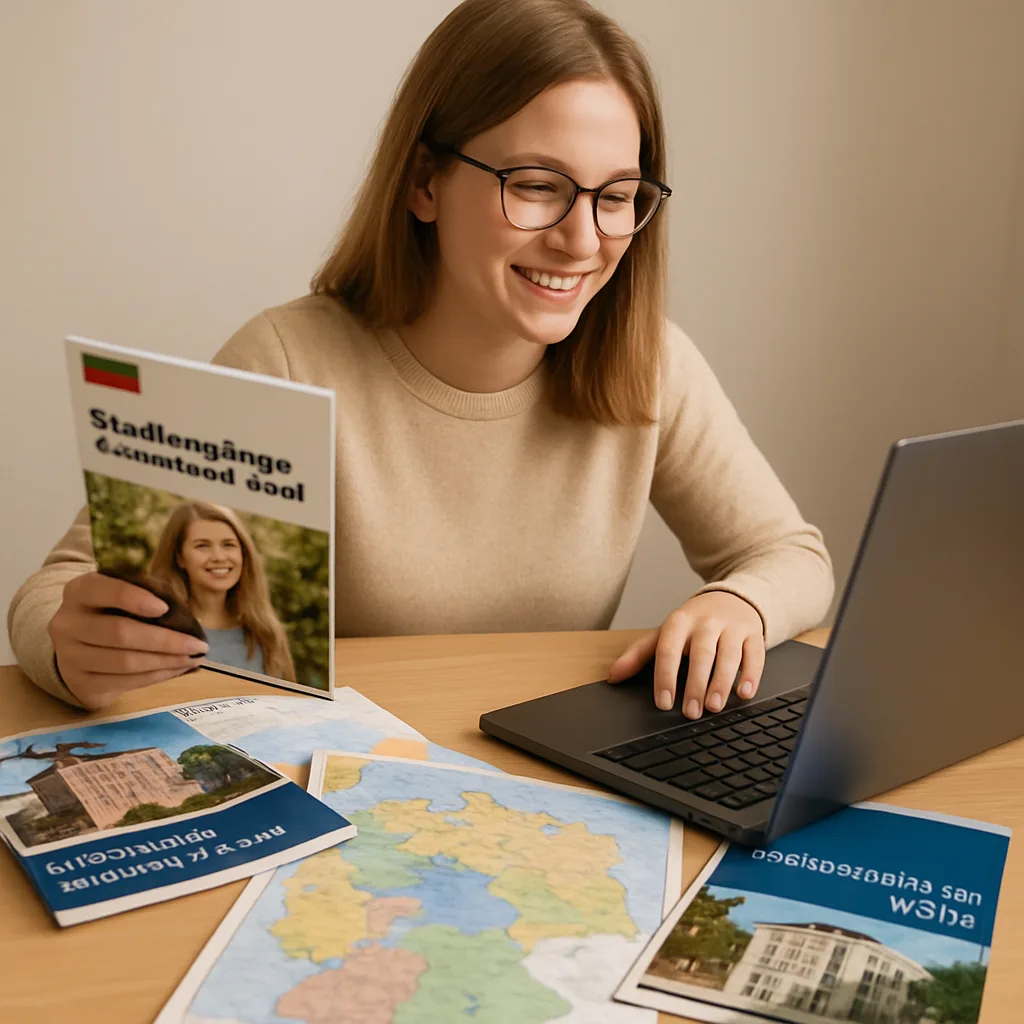
Understanding Germany Student Visa Requirements: A Step‑by‑Step Guide
Ever stared at a checklist of germany student visa requirements and felt your brain melt?
We’ve been there – the endless list of documents, the confusing deadlines, the fear that one missing paper could derail your whole plan.
But what if you could untangle that mess before it even starts?
In this guide we’ll walk you through every piece of the puzzle, from the proof of admission you need to the blocked account that shows you can support yourself.
First, picture this: you’ve just received an acceptance letter from a German university, your heart is racing, and then the embassy asks for a slew of forms you’ve never heard of. It’s a moment many students describe as “the reality check” – the point where excitement meets bureaucracy.
That’s why we at StudyInFocus built a four‑step method that turns that scary moment into a manageable checklist. We start with planning – figuring out which program matches your career goals and which specific visa criteria apply. Then we help you gather language certificates, translate documents, and set up the mandatory Sperrkonto (blocked account).
Next comes the application stage: we double‑check every line of your visa dossier, from the health insurance proof to the biometric photo, so you avoid the dreaded “incomplete” notice.
Finally, once the visa is stamped, we guide you through enrolment, housing, and the first steps of life in Germany – because getting the visa is just the beginning of the adventure.
So, does the idea of navigating german student visa requirements alone feel overwhelming? You’re not alone, and you don’t have to go it alone.
Stick with us, and you’ll see exactly what you need, why it matters, and how to get it done without sleepless nights. Let’s dive in and demystify the process together.
Ready to start the journey?
TL;DR
Navigating germany student visa requirements can feel overwhelming, but our four‑step method turns the maze into a clear checklist you can follow confidently.
We guide you from planning your program to securing the blocked account and final enrolment, so you avoid sleepless nights and start your German adventure hassle‑free today.
Step 1: Assess Eligibility for a Germany Student Visa
First thing’s first – before you start filling out forms, you need to know whether you actually meet the core criteria. It’s like checking the weather before you decide to go hiking; you don’t want to be caught in a storm of rejection letters.
1️⃣ Confirm your university admission
Germany won’t hand you a visa unless you have a formal letter of admission (or a Zusage) from a recognized German university or Studienkolleg. That paper proves you’re not just dreaming about Berlin; you’ve got a spot waiting.
If you’ve only got a conditional acceptance, make sure the conditions are clearly listed – like a required language score or a minimum GPA. Those details will show up later when the embassy asks for proof.
2️⃣ Meet the language requirements
Most programs demand a German B1/B2 or English C1 level, depending on the language of instruction. Think of it as the passport to the classroom; without it, the visa office will ask you to go back and study more.
We like to keep a quick checklist:
- German‑taught: TestDaF ≥ 4 in all sections or DSH‑2.
- English‑taught: IELTS 6.5 or TOEFL iBT 80 +.
Got your scores? Great. If you’re still working on them, consider a short language course now – it’ll save you a last‑minute scramble.
3️⃣ Prove you can support yourself financially
The German government wants to see that you won’t become a public charge. The standard is roughly €11,208 per year (about €934 per month) deposited in a blocked account (Sperrkonto). Some embassies also accept a scholarship award letter or a formal guarantee from a parent.
Remember, the money must be “blocked” before you apply. If the amount looks intimidating, don’t worry – there are reputable providers that set up the account for you, and the process is usually straightforward.
4️⃣ Health insurance is non‑negotiable
You need a policy that’s recognized in Germany, covering at least €30,000 in medical expenses. Public German health insurers (like TK) accept foreign students, but many choose an international plan that meets the requirement right away.
Ask yourself: do you already have a plan that meets the €30k threshold? If not, line one up now; the embassy will ask for the certificate during the interview.
5️⃣ Check your passport’s validity
Simple but easy to overlook – your passport must be valid for at least 12 months beyond the intended stay. If it expires sooner, renew it first. Trust us, the last thing you want is to be turned away at the consulate because of an expired passport.
At this point you’ve got the four pillars: admission, language, finances, and insurance. If any of them are missing, pause and fill the gap before moving forward.
So, what’s the next move? Grab a notebook, write down each requirement, and tick them off as you gather the documents. It feels satisfying, and it turns a chaotic to‑do list into a clear roadmap.
While the video walks you through the paperwork, keep this mental tip in mind: the embassy interview isn’t a test of your German fluency, it’s a check that you’ve prepared every piece they asked for. Stay calm, bring all originals and copies, and you’ll pass.
Need a little extra confidence? Some students find it helpful to read success stories from peers who’ve been through the exact same process. One platform that shares real‑world case studies is Rebel Growth, where you can see how others tackled the blocked‑account hurdle and what they wish they’d known earlier.
Finally, give yourself a deadline. Set a date for when you’ll have every document in hand and schedule the visa appointment right after. Treat it like a mini‑project deadline; the pressure will keep you moving.
When you’ve checked every box, you’ll feel a surge of confidence – the kind that makes the next steps – booking the appointment, submitting the dossier, and eventually boarding that plane to Germany – feel almost inevitable.
Step 2: Gather Required Documents
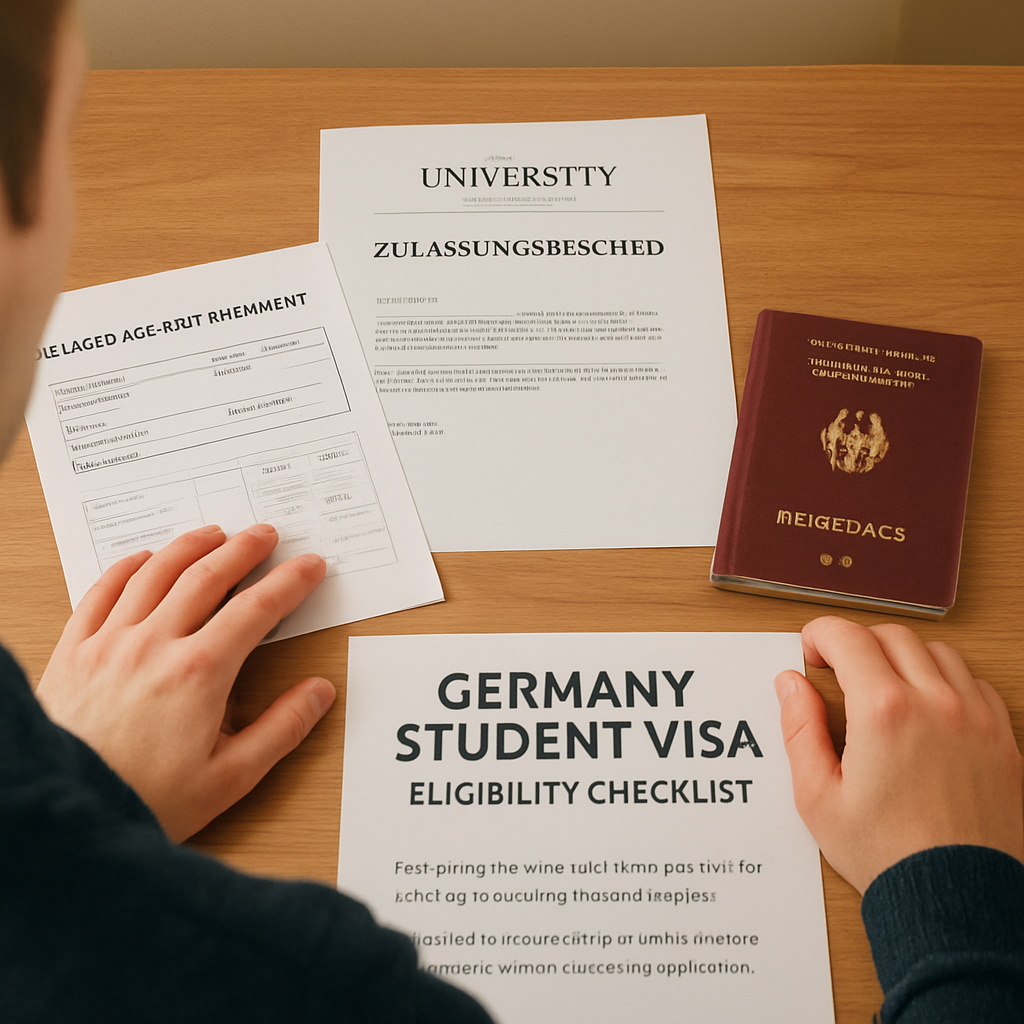
Okay, you’ve checked the eligibility box. Now the real paperwork begins. Think of it like packing for a road trip: you don’t just throw everything in the trunk and hope for the best. You need a checklist, the right boxes, and a little patience.
1. Official university admission letter
This is the golden ticket. The German embassy wants to see a signed Zulassungsbescheid that states your programme, start date and the exact duration of study. If the letter is in German, great – if it’s in English, you’ll need a certified translation later on.
2. Proof of financial means (blocked account or scholarship)
Germany requires you to prove you can cover at least €11,208 for one year. Most students open a Sperrkonto (blocked account) and upload the balance screenshot. If you have a scholarship, a formal award letter that specifies the amount and coverage period works just as well.
Tip: request the bank statement in PDF format, and double‑check that your name appears exactly as on your passport. A tiny typo can send your file back for correction.
3. Health insurance certificate
All students need a German‑approved health‑insurance policy that is valid for the entire stay. Private or public plans are fine, but the insurer must issue a Vollversicherungsnachweis. The document must be in German or accompanied by a certified translation.
4. Valid passport and biometric photo
Your passport must be valid for at least six months beyond the visa expiry date. The photo should be 35 mm × 45 mm, white background, no glasses. It sounds trivial, but many applications get rejected because the photo doesn’t meet the exact specifications.
5. Language proficiency proof
If your programme is taught in German, you’ll need a TestDaF, DSH or a comparable certificate. For English‑taught courses, a TOEFL iBT or IELTS score is required, and many universities still ask for a basic German level (A1‑A2) to help you settle in.
6. Certified translations and notarised copies
Any document that isn’t originally in German must be translated by a certified translator. After that, get a notarised copy of the original and the translation. Most consulates accept a single PDF that contains the original, the translation and the notarisation stamp – keep the file under 2 MB to avoid upload errors.
Does the idea of juggling PDFs, stamps and translations feel overwhelming? You’re not alone. One of our recent clients told us she spent three evenings trying to line‑up notarised copies, only to discover the embassy rejected the file because the file name contained special characters.
7. Assemble a master checklist
Write down every required item, then create a folder on your computer named Visa_Documents. Inside, make sub‑folders: Admission, Finance, Insurance, Translations. Rename each file with a clear label, e.g., Admission_Letter.pdf. This tiny habit saves you from frantic last‑minute searches.
Still unsure whether you’ve covered everything? Our visa‑support services include a document‑audit step. We’ll review each file, confirm the correct format, and even help you locate a certified translator if you don’t have one locally.
8. Think ahead – what about after you arrive?
Once the visa is in your hand, you’ll likely need a part‑time job or freelance gig to cover everyday costs. Platforms like the TalentsHive platform connect international students with short‑term projects that fit around your class schedule.
If you’re eyeing a side‑hustle or want to launch a small digital business while studying, the Lisa1DigitalDynamics webinar offers practical steps to set up an online service legally in Germany. It’s a quick way to turn your skills into extra income without jeopardising your student status.
Bottom line: gather each document methodically, double‑check every detail, and let a professional give it a once‑over. That way you’ll avoid the dreaded “incomplete dossier” email and can focus on the exciting part – moving to Germany and starting your studies.
Step 3: Secure Admission Confirmation
Now that you’ve already sorted the paperwork, the next hurdle is making sure the university actually signs off on your spot. It’s one thing to have a glossy acceptance email; it’s another to hold a formal, embassy‑ready admission letter that meets every germany student visa requirements checklist.
First thing we usually do is double‑check the letter itself. Does it clearly state your programme name, start date, and duration? The Schiller guide reminds us that the admission letter is the “pivotal document” for the visa – without those exact details the consulate will send you straight back for clarification.according to a comprehensive student‑visa guide. If any of those fields are missing, you’ll waste days (or weeks) chasing a correction.
1. Request the official PDF version
Most universities first send a PDF attachment via email, but the embassy often wants a printed, signed copy on university letterhead. Call the admissions office, mention your visa appointment date, and ask for a “Zulassungsbescheid” that includes your full name exactly as it appears on your passport. A quick tip: ask for the document in both German and English if your programme is English‑taught – the German version satisfies the embassy, while the English one is easier for you to understand.
2. Verify the signature and seal
Look for a wet signature or a certified digital stamp. Some schools now use e‑signatures, which are fine as long as the PDF shows a visible seal and the signatory’s title. If you see a blank line or a blurry logo, request a clean version – a fuzzy seal is a common reason for “incomplete dossier” emails.
3. Create a backup set of documents
The German missions literally ask for two identical sets of paperwork – one to keep and one to submit. The India embassy page explicitly states you must prepare two identical application sets and not staple any documents.the official German mission guidance notes This means you need two printed copies of the admission letter, each with the same signature and seal, plus the original PDF on a USB drive.
Make a quick checklist:
- Official admission letter (German + English if applicable)
- Signed and stamped version
- Two identical printed sets (no staples)
- USB drive with the PDF version
Check each item off before you even book the visa appointment. Trust me, that extra minute now saves you from a frantic night of re‑printing.
4. Confirm receipt with the university
Send a short email after you get the letter: “Hi [Name], I’ve received the official admission letter for my visa application. Could you please confirm that the details match my enrollment record?” A quick reply acts as a safety net – if the university spots a typo, they’ll fix it before you hand the file to the consulate.
And here’s a little human moment: I once watched a student scramble because the university had accidentally left out the start‑date line. The embassy asked for clarification, and the whole visa appointment got pushed back by three weeks. A simple confirmation email could have avoided that whole drama.
5. Store everything securely
Put the printed sets in a dedicated folder (you already have Visa_Documents set up from the previous step). Label the folder “Admission_Confirmation” and keep a digital backup in a cloud folder you can access from anywhere. If you ever need to resend a file, you won’t be hunting through a maze of PDFs.
Finally, treat the admission confirmation as the green light to move on to the next phase – the visa appointment. When you walk into the embassy with a crisp, complete admission packet, you’ll feel that surge of confidence that says, “I’ve got this.”
Step 4: Financial Proof & Health Insurance
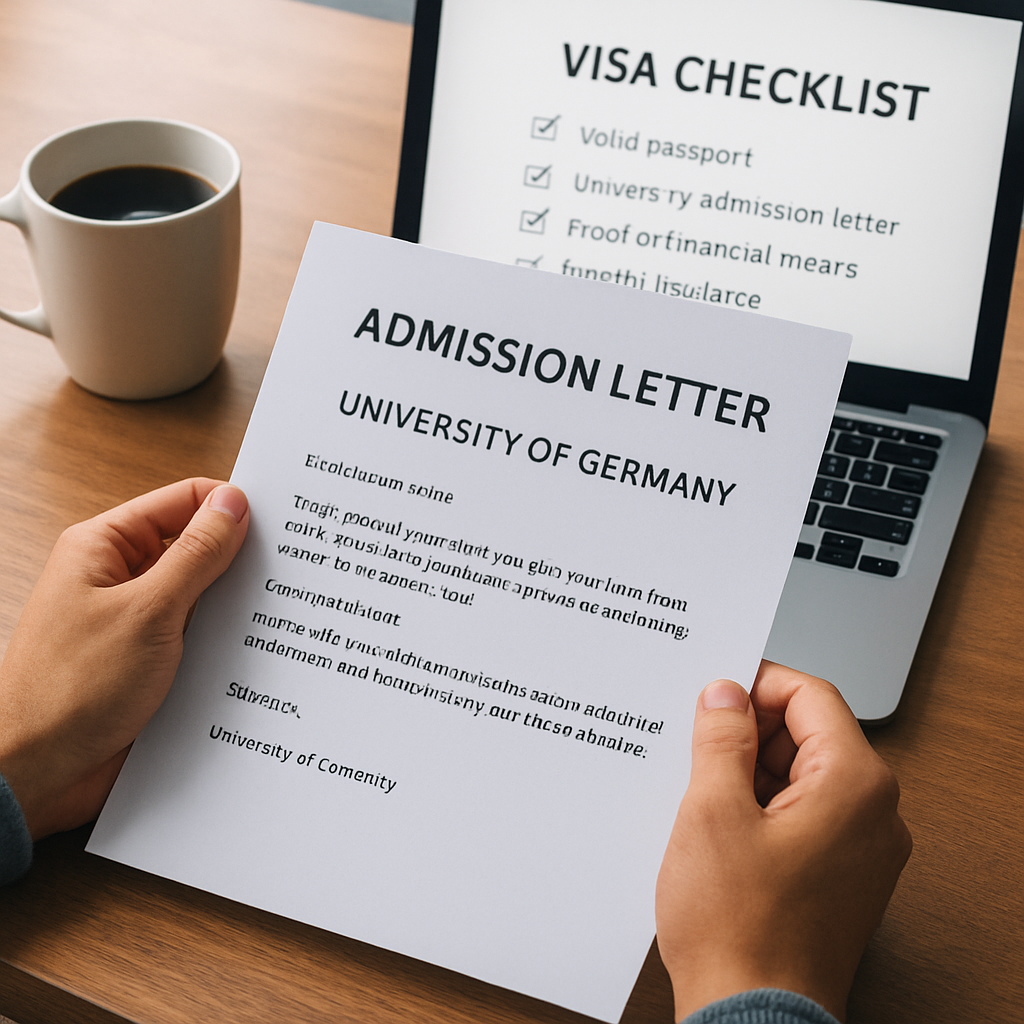
Alright, you’ve got your admission letter tucked away, and the visa appointment is staring at you from the calendar. The next hurdle feels a bit like proving you can actually afford the whole adventure – and that’s exactly what the German embassy wants to see.
So, what does “financial proof” really mean? In plain English, the consulate needs a snapshot that says, “Yes, this student can cover living costs for at least one year.” The most common way to do that is a blocked account, known in Germany as a Sperrkonto. Think of it as a digital safety‑deposit that you can’t touch until you actually need the money.
How to set up a blocked account without losing your mind
First, start early. Banks can take a week to process the paperwork, and if you wait until the semester rolls in, you might be stuck waiting for days. Open the account online if you can – the digital route is usually faster and lets you upload documents from home.
When you fill out the application, the bank may ask you to get your passport copy and the form certified by a German consulate. That extra step sounds annoying, but it’s a small price to pay compared to a delayed visa. Remember, the embassy expects the blocked amount to match the current yearly requirement – right now that’s around €11,208, or roughly €992 per month.proof of financing guidelines
Once the account is live, you’ll receive a confirmation letter (sometimes called a “blocking confirmation”). Print it, keep a digital copy in your Visa_Documents/Finance folder, and add the screenshot of the balance to your visa packet. Two copies, no staples – the embassy loves neat stacks.
Health insurance – the other non‑negotiable piece
German law says every resident needs health coverage, and that includes you, the international student. The catch? You can’t just roll over your home‑country plan unless it meets German standards – and most students end up picking a local policy.
If you’re under 30 and enrolling directly in a degree program, public insurance (think BARMER) is the default and usually the cheapest option. It comes with an electronic M‑10 notification that the university reads automatically, so you won’t have to chase a paper letter.
Older students, language‑course attendees, or anyone who prefers a bit more flexibility will need private insurance. Providers like Mawista offer plans tailored for students, and many of them bundle a short‑term travel insurance for the first few weeks – handy if you’re still figuring out where you’ll live.student health‑insurance options
Here’s a quick checklist you can copy into a note:
- Blocked account confirmation (original + digital copy)
- Proof of €11,208 (or current amount) locked in Sperrkonto
- Public or private health‑insurance certificate in German
- M‑10 electronic notification (public) or printed confirmation (private)
Tip: when you receive the insurance confirmation, double‑check that your name matches the passport exactly – a missing umlaut can trigger a “missing document” email.
Putting it all together
Now that you have the two big pieces, it’s time to bundle them with the rest of your dossier. Create a sub‑folder called Finance_Health inside Visa_Documents. Name the files clearly: Blocked_Account_Confirmation.pdf, Health_Insurance_Voluntary.pdf, etc. This tiny habit saves you from frantic last‑minute searches.
When you walk into the embassy, lay the packet on the table in the order the consulate expects: admission letter, passport, photo, blocked account proof, health‑insurance certificate, then the rest of your paperwork. The officer will see a tidy, complete set and you’ll feel that surge of confidence that says, “I’ve got this.”
And if anything feels fuzzy – a deadline you’re not sure about, a question about which insurance tier fits your situation – that’s where we at StudyInFocus step in. Our financial‑proof & health‑insurance package walks you through opening the Sperrkonto, picking the right policy, and getting the official confirmations you need, all without the endless back‑and‑forth with banks and insurers.
Bottom line: treat the financial proof and health insurance as the twin keys that unlock your visa. Get them early, keep them organized, and let a trusted partner handle the nitty‑gritty so you can focus on packing your bags.
Step 5: Submit Visa Application & Interview Preparation
Okay, the paperwork is stacked, the blocked account is humming, and your health‑insurance certificate is printed fresh. Now comes the moment that makes most students break out in a cold sweat: the actual visa appointment.
Do you remember the last time you had to book a dentist’s visit? You stared at the calendar, clicked a few times, and hoped a slot would open. Applying for a German student visa works the same way, except the stakes are higher and the waiting room is an embassy.
Book the appointment – and do it early
Every German mission requires you to schedule an in‑person appointment through their free online system. The slot you snag today could be the only one before your semester starts, so treat it like a flight you’ve been waiting years for.
According to the Federal Foreign Office, processing can take 25 days on average, but many applicants report waiting 1‑3 months depending on the location (official visa timeline). That’s why we always recommend booking the interview at least six weeks before your program begins.
What to bring on the day
Walk in with a neat, two‑set packet – no staples, no paper clips. Here’s a quick checklist you can copy‑paste into a note:
| Item | How to organize | Why it matters |
|---|---|---|
| Admission letter (German & English) | Two identical printed copies, placed on top | Officer sees the green light first |
| Passport & biometric photo | Original passport, photo in a small envelope | Meets the basic entry requirement |
| Financial proof & health insurance | Blocked‑account confirmation + insurance certificate, each with a digital backup on a USB drive | Shows you can cover €853 per month (funds requirement) |
After the core documents, slide in the rest of your dossier – language certificates, translation notarizations, CV, motivation letter – in the order the consulate expects. The officer will appreciate the logical flow and you’ll feel that familiar surge of confidence.
Preparing for the interview
Think of the interview as a friendly chat, not an interrogation. The consular officer wants to see that you’re genuine about studying, that you have ties to your home country, and that you understand why Germany is the right place for you.
Here are three things that often catch applicants off guard:
- Explain your funding source. Be ready to point to the blocked‑account balance or scholarship letter and say, “I have €11,200 locked for the year, plus a health‑insurance plan that covers everything.”
- Show your “home‑country ties.” Mention a job offer waiting for you after graduation, a family business, or a property you’ll return to. It reassures the officer that you’ll leave Germany when your study ends.
- Talk about your study plan. Briefly outline why the specific program fits your career goals. No need for a rehearsed speech – just a natural, enthusiastic explanation.
Practice answering these questions with a friend or in front of a mirror. It’s amazing how a little rehearsal can turn a nervous stutter into a smooth, confident answer.
Common pitfalls (and how to dodge them)
One tiny typo in your passport name can send your file back for correction. Double‑check every spelling, especially umlauts and hyphens. Another frequent hiccup: the photo doesn’t meet the exact size or background requirement. Keep the official photo guidelines handy and compare before you walk in.
If the officer asks for a document you didn’t think was necessary – say, a proof of accommodation – stay calm. Pull out your backup folder on the USB drive, print a copy if you have a printer nearby, and hand it over. The key is to show you’re prepared for the unexpected.
When to call in the pros
Even with a perfect checklist, the interview can feel like stepping onto a stage without a script. That’s where StudyInFocus steps in. Our visa‑support service walks you through every line of the application, reviews your packet for hidden errors, and even does a mock interview so you know exactly what to say.
We’ve seen students go from “I’m terrified” to “I walked out with my visa stamped” in just one session. If you’re already feeling the pressure, book a quick call – it could be the difference between a green stamp and a return ticket home.
Bottom line: treat the appointment like a well‑rehearsed performance. Book early, organize your documents in the exact order the consulate expects, practice answering the most common questions, and lean on expert support when you need it. You’ve already conquered the paperwork; now it’s time to own the interview and turn those Germany student visa requirements into a ticket to Berlin.
Step 6: Post‑Approval – Arrival, Registration & Next Steps
So you finally have that little pink stamp in your passport – the moment we’ve all been waiting for. But the reality check kicks in fast: a visa is just the first page of a longer story. The next chapter is getting you settled, registered, and ready to live the German student life you’ve been dreaming about.
What to do the moment you land
First thing’s first – breathe. The airport can feel like a whirlwind of signs in German, luggage carts, and strangers offering help. Grab your passport, your blocked‑account confirmation, and a printed copy of your health‑insurance certificate. Keep them together in a folder – think of it as your “arrival kit.”
When you step out of customs, head straight to the local Bürgeramt (city office). Yes, it sounds bureaucratic, but this is where you turn that visa into a residence permit (Aufenthaltstitel). Most German cities require an appointment, so it’s worth booking one online as soon as you know your arrival date.
Tip: many cities let you book a slot for the same week you land. If you miss that window, you’ll end up waiting weeks for the next opening, and nobody wants a delayed start to their semester.
Registering your address (Anmeldung)
German law says every resident must register their address within two weeks of moving in. It’s called Anmeldung, and you’ll need a few things:
- Signed rental contract or a confirmation letter from your university housing office (Wohnungsgeberbestätigung).
- Your passport and visa.
- Proof of health insurance.
Pop into the local registration office (Einwohnermeldeamt) with these documents. The clerk will hand you a Meldebescheinigung – a small piece of paper that proves you’re officially living in that city. Keep it safe; you’ll need it for opening a bank account, getting a tax ID, and even for your university enrollment.
And yes, the process can feel oddly formal, but it’s a one‑time thing. Once you have the Meldebescheinigung, the rest of the paperwork smooths out.
Getting your residence permit
The residence permit is the official extension of your visa. You’ll fill out an application (Ausländerbehörde) and attach:
- Passport with the visa stamp.
- Meldebescheinigung.
- Blocked‑account proof showing the €11,208 (or current amount) is locked.
- Health‑insurance certificate.
- University enrollment confirmation (Immatrikulationsbescheinigung).
Most offices schedule a short interview – think of it as a friendly check‑in. They’ll ask why you chose Germany, what you’ll study, and how you’ll support yourself. Answer naturally, and you’ll be fine.
In many cases the permit arrives as a sticker in your passport within a few weeks. Some cities even issue an electronic card (eAT) you can pick up later.
Opening a German bank account
Now that you have your address and residence permit, opening a local bank account becomes a breeze. Bring your passport, Meldebescheinigung, and the residence permit. If you already have a blocked‑account provider, they’ll often let you convert it into a regular checking account once you’re registered.
Having a German IBAN makes paying rent, tuition, and daily expenses much easier. Plus, many landlords only accept transfers from a local account.
Practical next steps for a smooth start
1. Set up your phone plan. A local SIM gives you cheap data and the ability to receive the SMS codes most services use for verification.
2. Get a tax ID (Steuer‑Identifikationsnummer). It arrives by mail a few days after your Anmeldung. You’ll need it for any part‑time job.
3. Register for your university’s orientation. Most campuses run a “Welcome Week” that helps you meet fellow students and learn the campus layout.
4. Explore public transport options. Get a semester ticket (Semesterticket) – it’s usually included in your student fees and saves a ton on commuting.
5. Secure a health‑insurance card. Your insurer will send you a plastic card that you’ll need for any doctor’s visit.
6. Plan your budget. Even with the blocked account, you’ll need to manage rent, food, and transport. A simple spreadsheet can keep you on track.
Does this feel like a lot? Absolutely. That’s why many students lean on a partner who’s walked this path before. StudyInFocus’s end‑to‑end program doesn’t stop at the visa – we guide you through every post‑approval step, from booking your Bürgeramt appointment to making sure your first rent payment goes smoothly. Our team can even help you draft the Wohnungsgeberbestätigung if your landlord isn’t sure what to write.
Bottom line: the moment you step off the plane, you’ve already crossed the biggest hurdle – the visa. Now it’s all about ticking the remaining boxes, one by one, and turning that stamp into a lived experience. With a clear checklist, a little patience, and a trusted partner by your side, you’ll be sipping coffee at a Berlin café in no time, feeling completely at home.
FAQ
What are the core germany student visa requirements I need to meet?
The short answer is yes, but there are a handful of things you have to line up before the consulate will hand you a stamp. First, you need an official university admission letter (Zulassungsbescheid) that states your programme, start date and duration. Second, proof of language proficiency – either a German test like TestDaF/DSH or an English test such as TOEFL/IELTS, plus a basic A1‑A2 German level if your course is English‑taught. Third, evidence of financial resources, usually a blocked account with at least €11,208 for a year. Fourth, a valid health‑insurance certificate that meets German standards. Finally, a passport that’s good for six months beyond your stay and a biometric photo that fits the exact dimensions. Put all those pieces together, and you’ve covered the core requirements.
How do I prove I have enough money for the visa?
Most embassies expect a Sperrkonto, or blocked account, that shows a minimum balance of €11,208 (or the current yearly amount). You open the account from your home country, transfer the funds, and the bank issues a confirmation letter and an online screenshot of the locked balance. Keep both the printed letter and a digital copy on a USB drive – the consulate will want to see the original and a backup. If you have a scholarship or a guarantor, you can submit a formal award letter or a notarised bank statement instead, but the blocked‑account route is the safest and most widely accepted.
Do I really need health insurance that’s German‑approved?
Absolutely. German law requires every resident, including students, to have health coverage that the authorities recognise. Public insurers like BARMER are the cheapest option for most under‑30 students, and they automatically send an electronic M‑10 notification to your university. If you prefer private coverage, look for plans that specifically mention “student health insurance Germany” – they’ll provide a German‑language certificate you can attach to your visa file. Skipping this step or submitting a foreign policy that doesn’t meet the criteria will almost always result in a “missing document” request.
Can I use an English‑language admission letter, or does it have to be in German?
The embassy usually wants a German version of the admission letter, especially if the programme is taught in German. For English‑taught courses, many consulates accept an English PDF + a certified German translation. If you only have an English letter, ask your university for a bilingual version or a separate German translation. Make sure the translation is done by a certified translator and that the document bears the university’s seal and signature – a fuzzy seal is a common reason for a “incomplete dossier” email.
What documents should I bring to the visa interview to avoid delays?
Think of the interview as a tidy stack of paperwork. Start with two identical sets of your admission letter (no staples), then your passport and biometric photo, followed by the blocked‑account confirmation and health‑insurance certificate (each with a digital backup on a USB). Next, add language test scores, certified translations, and any scholarship or guarantor letters. Finally, include a short motivation letter and a CV – they’re not mandatory but they show you’re prepared. Double‑check every name spelling, especially umlauts, because a tiny typo can send you back for correction.
What’s the biggest mistake students make when handling the germany student visa requirements?
Procrastination. Waiting until the last minute to open a blocked account or order a health‑insurance certificate means you’ll be scrambling for appointments, and the embassy often runs out of interview slots weeks before the semester starts. Another frequent slip is forgetting to book the Bürgeramt registration in advance; without a Meldebescheinigung you can’t get a residence permit, and that stalls everything from opening a German bank account to paying tuition. Our experience shows that a simple checklist, built early and reviewed by a visa‑support specialist, saves you from these avoidable setbacks.
Conclusion – Your Path Forward with StudyInFocus
We've walked through every piece of the germany student visa requirements puzzle – from the admission letter to the blocked account, health insurance, and the interview day.
Does it still feel overwhelming? That’s normal. The forms, deadlines, and little details can make anyone’s head spin, especially when you’re juggling a new language and a far‑away move.
That's why we recommend leaning on a partner who’s already mapped this route. Our four‑stage methodology guides you from choosing the right program, through document prep, all the way to enrollment and the residence permit.
Imagine having a personal curator check every spelling, verify every seal, and remind you to book that Bürgeramt slot before you even land. It turns a chaotic checklist into a smooth, confidence‑boosting workflow.
So, what’s the next step? Grab a free strategy call with StudyInFocus, let us audit your current dossier, and see which service package fits your timeline. Whether you need just visa support or the full end‑to‑end program, we’ve built it to keep you moving forward without surprise setbacks.
Remember, the visa is only the first page of your German adventure. With the right guidance, the rest writes itself.
Ready to start? Let’s make your German study dream happen.
Остались вопросы? Запишитесь на Консультацию!
Получите ответы на ваши вопросы на индивидуальной онлайн консультации с нашим специалистом
Записаться!