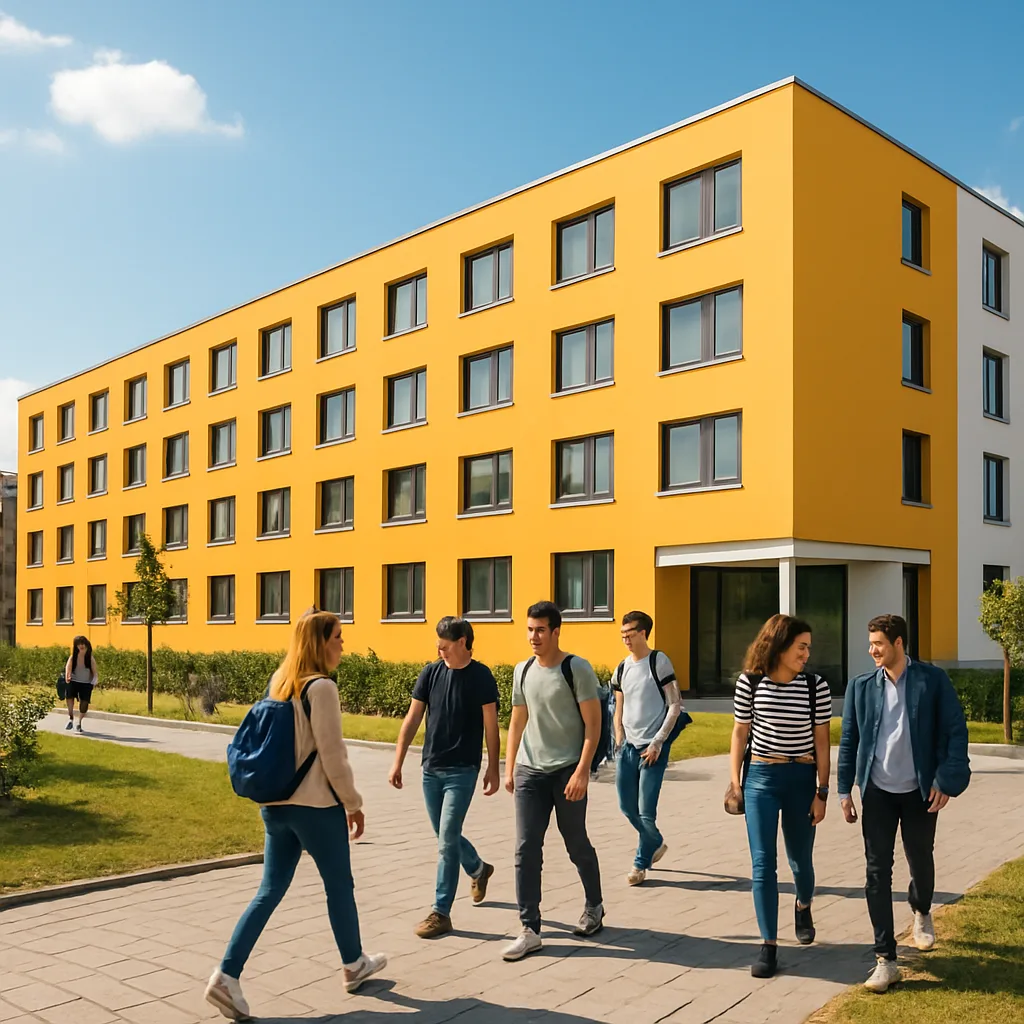
What to Know About Student Dorms in Germany: A Practical Listicle
Picture this: you’ve just gotten your acceptance letter from a German university, the excitement is buzzing, but then the question hits you – where will you actually live?
That moment of “I have no idea how student dorms in germany work” is something we’ve seen a thousand times. The housing maze can feel like a labyrinth of applications, waiting lists, and endless paperwork, and it’s easy to wonder if you’ll end up on a couch in a stranger’s apartment.
We get it. By now you probably imagined a tidy, affordable dorm room with a shared kitchen, a study nook, maybe even a laundry room down the hall. In reality, each city, each university, and even each dorm building has its own quirks, price brackets, and rules about who can stay where.
So, why does this matter? Because where you live shapes your whole study experience – from how quickly you can get to lectures, to who you meet in the communal lounge, to how much of your budget goes toward rent versus books or travel.
Think about it this way: choosing a dorm is like picking a roommate for the next few years. You want someone (or something) reliable, close to what you need, and not going to break your bank.
Here’s the good news: you don’t have to navigate this on your own. The process becomes a lot smoother when you have a clear roadmap that explains the different types of student housing – traditional Studentenwerk dorms, private halls, and shared apartments – and tells you exactly what documents you’ll need at each step.
In the sections that follow we’ll break down the most common options, highlight the hidden costs you might overlook, and give you practical tips on how to secure a spot before the semester starts.
By the end you’ll feel confident that you can pick a dorm that fits your lifestyle, budget, and study schedule, and you’ll see why many students choose to lean on experts who know the system inside‑out.
Ready to turn that uncertainty into a clear plan? Let’s dive in and demystify student dorms in germany together.
TL;DR
We know sorting through student dorms in germany feels overwhelming, but the quick roadmap below shows you exactly which housing types exist, hidden costs to watch for, and the documents you’ll need to lock in a spot.
Follow our simple steps and you’ll move from confusion to confidence, securing affordable, convenient accommodation before classes start.
1. How We Evaluate Dorm Locations
When it comes to student dorms in germany, the street address can feel just as important as the room size. We’ve learned that a good location is the backbone of a stress‑free semester, so we break it down into five bite‑size criteria you can actually check before you sign anything.
1. Proximity to Campus & Lecture Halls
First thing we ask: can you bike or walk to your main lecture building in under 15 minutes? In Munich, a dorm in the Schwabing district might shave 10‑15 minutes off a 30‑minute tram ride, which adds up to more time for coffee breaks and less budget for transport tickets.
Action step: Open Google Maps, type your university’s address, then click “Nearby” and type “student housing.” Note the distance and any major bike lanes.
2. Public Transport Connectivity
Even if you’re a bit farther out, a reliable S‑Bahn or U‑Bahn line can make up for it. Look for a dorm within a 5‑minute walk of a station that runs at least every 10‑15 minutes during peak hours. For example, the dorms near Leipzig’s Hauptbahnhof connect directly to the campus via line S1, cutting commute time to under 20 minutes.
Tip: Check the Admission and Enrollment in German Universities - StudyInFocus page – we list partner dorms that already have verified transport links.
3. Safety & Neighborhood Vibe
We don’t just look at crime stats (though those matter). We also read student reviews on forums, talk to current residents, and stroll the streets at night if we can. In Berlin’s Charlottenburg, a dorm that’s technically “safe” but sits next to a noisy nightlife strip might disrupt your study rhythm.
Do a quick “Google Street View” walk‑through at night and ask yourself: do you feel comfortable locking your bike here?
4. Amenities & Services
What’s the laundry situation? Is there a communal kitchen that’s actually stocked, or just a half‑empty pantry? In smaller towns like Würzburg, a dorm that offers a 24‑hour study lounge can be a lifesaver during exam weeks.
Checklist: dishwasher, Wi‑Fi speed (minimum 30 Mbps), laundry machines per resident ratio, and on‑site laundry detergent vending.
5. Cost vs. Value Ratio
Rent is the headline, but hidden costs sneak in – monthly cleaning fees, “service charges” for internet, or a mandatory semester ticket. In Cologne, a dorm charging €350 per month may also include a €40 cleaning fee and a €80 semester ticket, making the true cost €470.
Actionable tip: Write down every line item on the lease and calculate the total monthly outlay. Compare it with the average student housing price in that city (usually published by Studentenwerk).
And because language practice speeds up your integration, consider brushing up on German while you settle in. A quick AI‑powered tutor can give you the everyday phrases you’ll need in the cafeteria or the laundry room. ChickyTutor – AI Language Tutor is a handy side‑kick for that.
Putting it all together, we score each dorm on a 1‑10 scale across the five criteria, then weight the scores based on your personal priorities (e.g., you might value safety over cost). The result is a clear, data‑backed ranking that lets you pick a place that feels right, not just cheap.
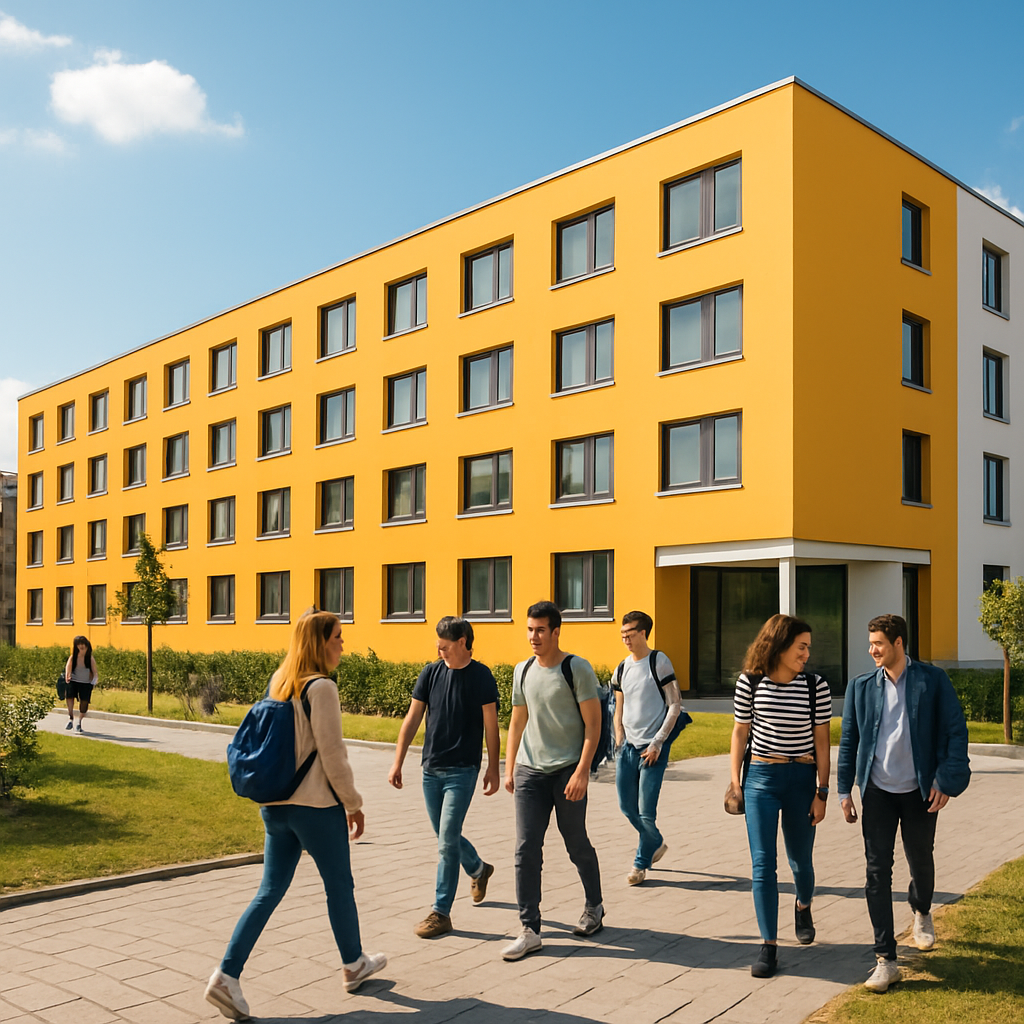
2. Types of Student Dormitories and Their Costs
When you start scrolling through listings for student dorms in germany, the first thing you’ll notice is that not all roofs are created equal. Some are run by the state‑funded Studentenwerk, some are privately operated brands, and a good chunk are shared flats that look more like a cozy living room than a traditional hall. Understanding these three buckets helps you predict not just the rent tag, but the hidden fees, the vibe, and the level of freedom you’ll have.
So, which one fits your budget and lifestyle? Let’s break them down one by one, sprinkle in real‑world examples from Berlin, Munich and Leipzig, and then hand you a checklist you can paste into your spreadsheet.
If you prefer a quick visual tour, this short video walks you through a typical Studentenwerk floor plan and points out where extra charges tend to hide.
Notice how the communal kitchen is right next to the laundry, that design choice can save you a few euros a month because you won’t need a personal washer.
1. Studentenwerk (public) dormitories
These are the most common option for international students because they’re subsidised by the university’s student services. Rent usually includes basic utilities, internet, and a semester ticket for public transport, as universities break down fees similarly to the standard housing rates you’ll see on other campuses. In Berlin‑Weißensee, a single room costs around €350 per month, but you’ll also see a €30 cleaning surcharge and a €60 semester ticket that many students forget to factor in.
Actionable tip: download the monthly fee breakdown from the Studentenwerk website, then add a 5‑10 % buffer for occasional guest‑room fees or lost‑key penalties. Write the total in your budgeting spreadsheet and compare it with the average cost published by the local Studentenwerk office.
2. Private student halls
Private operators like Campus Living Villages or local housing companies run sleek, boutique‑style buildings that often bundle high‑speed Wi‑Fi, gym access, and even weekly cleaning. The price tag is higher – a studio in Munich’s Schwabing district can run €620 per month, plus a €45 service fee for the on‑site concierge. The upside is a modern design and flexible lease terms that let you move after one semester if you need to. Private operators often publish a full cost sheet, much like the fee structure guidelines you find for US dorms.
Ask the provider for a transparent cost sheet before you sign. Some halls hide a “facility fee” for things like rooftop access – make sure you know whether that’s included or extra. If the total exceeds your budget by more than €100, negotiate a lower rate or look for a shared‑room option in the same building.
3. Shared apartments (Wohngemeinschaft, WG)
A WG is basically a house where each roommate rents a private bedroom but shares kitchen, bathroom and living room. Costs vary wildly because you split rent and utilities. In Leipzig, a three‑room WG near the university can be €500 per month total, which means €166 per person plus about €30 for internet and electricity. The social upside is huge – you get instant German practice and a built‑in support network.
Create a simple spreadsheet with columns for rent, utilities, internet, and any house‑keeping fees. Compare the per‑person total with a Studentenwerk single room – if the WG is cheaper by at least €50, it’s usually worth the extra social commitment. Use a roommate‑matching platform or ask your university’s international office for verified WG listings.
Bottom line: each type of student dorms in germany serves a different need. Public dorms give you predictability, private halls give you comfort, and WGs give you community and savings. Pick the one that aligns with your budget, study habits, and social style, then run through our quick checklist to lock in the right price.
3. Application Process Explained (Video)
Ever felt like the housing application maze is a mystery box you can’t open without a cheat code? You’re not alone. We’ve all stared at endless forms, wondered which document goes where, and thought, “Will I even get a reply before the semester starts?” Let’s walk through the steps together – the way we’d explain it over a coffee, and we’ll even point you to a quick video that breaks it down in under five minutes.
1. Get the right username and portal access
First thing you need is a user account on the Studentenwerk website for your city. In Munich, that’s the Munich Student Union portal. As soon as you register, you’ll see a dashboard that lists all current offers – from single rooms to shared flats.
Tip: set up two‑factor authentication if it’s offered. It sounds overkill, but it saves you a lot of back‑and‑forth when the housing office asks you to confirm your identity.
2. Gather the core documents
Here’s the checklist we always hand to students:
- Copy of your passport (or national ID)
- Proof of enrolment (your Zulassungsbescheid)
- Proof of income or a blocked‑account confirmation (the Sperr‑Konto)
- Student health insurance certificate
Don’t forget a signed “Annahmeerklärung” (acceptance notice) once you get a positive reply – you’ll need to send it back within 48 hours. Missing that tiny signature can cost you the spot.
3. Understand the rent breakdown
Munich’s numbers are a good reality check: average private rooms run about €700 per month, while university‑run rooms sit between €300‑€450 (see LMU housing stats). That “warm rent” already includes utilities, but you’ll still pay a separate deposit of one‑to‑three months’ basic rent.
Action step: open a simple spreadsheet, list the Kaltmiete (basic rent) and add expected Nebenkosten (utilities). Then compare the total to your budget. If the sum exceeds your limit by more than €100, start filtering for rooms with lower utilities or consider a WG.
4. Submit the application – timing is everything
Applications open roughly three weeks before the winter semester (September‑October). The earlier you hit “Submit”, the better – especially for popular cities like Munich where demand spikes the moment the portal opens.
Pro tip: set a calendar reminder for the exact opening hour, and have all PDFs pre‑filled. A few students we’ve helped missed the window by ten minutes and had to settle for a temporary sublet.
5. Follow up, don’t ghost
After you click “Send”, you’ll receive an automatic confirmation email. If you don’t hear back within a week, give the housing office a polite nudge. Mention your application ID and ask if any additional paperwork is needed.
We’ve seen cases where a quick “Hallo, ich wollte nachfragen…” email sped up the decision by two days – a small gesture that shows you’re serious.
6. What the video covers
The short video we’ve embedded below walks you through each screen of the application portal, highlights where to upload your documents, and even shows the exact wording for the acceptance email. It’s narrated in plain English, so you won’t get lost in German legalese.
Watch it, pause after each step, and tick off the items on your checklist. By the time the video ends, you’ll have a complete, ready‑to‑send application package.
7. When you get the offer – next steps
If the university housing office sends you an acceptance, they’ll attach the “Annahmeerklärung”. Sign it, scan it, and email it back right away. Then:
- Open a German bank account (you’ll need it for rent debit)
- Set up a standing order for the monthly rent
- Schedule a move‑in date – most dorms allow you to collect keys a week before classes start
If the offer isn’t what you expected (maybe the room is a shared bathroom), you can politely decline and re‑apply to the waiting list or look at private listings. Our experience shows that keeping a backup plan – like a short‑term Airbnb or a student‑friendly hostel – reduces stress.
8. Need a safety net?
Even with a perfect application, the housing market can be unpredictable. That’s why many students choose to work with a service that walks them through every step, checks documents for errors, and even negotiates with the Studentenwerk on your behalf. StudyInFocus offers exactly that – a dedicated advisor who monitors the portal, alerts you the moment a spot opens, and helps you avoid common pitfalls.
Bottom line: the application process isn’t rocket science, but it does require timing, a solid checklist, and a bit of persistence. Follow the steps above, watch the video, and you’ll be one step closer to unlocking your new home among the student dorms in germany.
4. Common Pitfalls When Choosing Dorms
1. Ignoring the real commute time
We’ve all looked at a map, seen the campus pin, and thought “that’s close enough.” But the truth is, a 2‑kilometre bike ride can turn into a 15‑minute slog if the route is missing bike lanes or is full of tram crossings. In Berlin, students who chose a dorm in the outskirts of Kreuzberg found themselves battling rush‑hour trams for over half an hour each way. The hidden cost? Burned‑out mornings and less time for coffee.
Action step: Open Google Maps, plot the exact walking or biking route, and check the “estimated travel time” during peak hours. Write the result down and compare it with your personal tolerance for commute.
2. Overlooking hidden fees
Many listings quote a tidy “€350 per month,” but the fine print often hides a €30 cleaning surcharge, a €20 semester ticket, and a €15 service fee for internet. In Munich, a student thought they were saving €50 by picking a “cheaper” room, only to discover a mandatory deposit of three months’ basic rent that wasn’t mentioned until the lease was signed.
Checklist: List every line‑item on the lease – rent, Nebenkosten, cleaning, internet, semester ticket, deposit – then add them up. If the total exceeds your budget by more than €100, start filtering for dorms that bundle utilities or negotiate the extra fees.
3. Assuming “shared bathroom” is a minor detail
Shared bathrooms sound fine on paper, but the reality can be a daily nightmare during exam weeks. A friend of ours in Leipzig moved into a dorm with a single shower for 30 residents. When the heating broke in February, the whole floor was stuck with cold water for three days, and the line for the shower stretched into the hallway.
Tip: Ask current residents how many people use the bathroom per night and whether the building has a backup water heater. If the answer isn’t reassuring, look for a room with an en‑suite or a dorm that advertises “private bathroom” even if the rent is a bit higher.
4. Forgetting about Wi‑Fi quality
We all need reliable internet for lectures, assignments, and occasional Netflix breaks. In a student hall near Frankfurt, the advertised “high‑speed Wi‑Fi” turned out to be a 5 Mbps shared connection that choked the moment three roommates streamed a video simultaneously. One student missed a deadline because the upload kept failing.
Actionable test: Before you sign, ask for a recent speed test screenshot from a resident or request a trial login. Aim for at least 30 Mbps per person; anything lower will likely slow you down during peak study times.
5. Ignoring the neighborhood vibe
Safety stats are one thing, but the “vibe” can affect your study rhythm. A dorm in Cologne’s Südstadt sat next to a lively bar street. While the nightlife was fun, the early‑morning noise made it impossible to sleep before 9 am, and a student who needed to catch a 7 am lecture kept missing the bus.
Simple audit: Use Google Street View at night, listen for traffic, and read recent student reviews on forums. If the area feels too noisy for your schedule, consider a quieter suburb with a good tram connection.
6. Not planning for laundry logistics
Imagine you’re in the middle of a laundry day, and the only washing machine is broken. That happened to a group of students in Würzburg, forcing them to spend €15 on a local laundromat for a week. The extra cost piled up quickly.
Pro tip: Count the number of machines per resident in the building, check if there’s a 24‑hour option, and ask whether detergent is included or you need to buy it separately. A dorm with a “laundry vending” system can save you both time and cash.
7. Skipping the backup‑plan safety net
Even with a perfect application, the housing market can be a roller coaster. One semester, a student in Hamburg got a last‑minute offer for a dorm that turned out to be a sublet with a leaky roof. Because they had already booked a short‑term Airbnb as a backup, they avoided a night on the cold floor.
Action step: Book a flexible Airbnb or a student‑friendly hostel for the first two weeks of the semester. That gives you breathing room to verify your dorm’s condition and move in without panic.
8. Underestimating the importance of a support service
Navigating contracts, deposits, and language barriers can be overwhelming. We’ve seen students miss a deadline for the “Annahmeerklärung” by a single day because the email landed in the spam folder. The result? They lost the spot and had to scramble for temporary housing.
Solution: Partner with a housing‑support service that monitors your application, sends reminders, and can even negotiate on your behalf. This extra layer of help often turns a stressful process into a smooth transition.
Bottom line: Spotting these pitfalls early saves you money, sleepless nights, and last‑minute chaos. Use the checklists above, keep a backup plan, and don’t be afraid to ask for professional guidance. When you avoid the common traps, you’ll spend more time enjoying student life and less time fixing avoidable problems.
5. How StudyInFocus Simplifies Dorm Selection
We get it – the dorm hunt can feel like trying to solve a Rubik’s cube while juggling a coffee and a passport. One minute you’re scrolling through endless listings, the next you’re wondering if you’ll end up sleeping on a bench.
That’s why we built a step‑by‑step service that takes the guesswork out of choosing a room, a street, and even the Wi‑Fi speed you need for late‑night study marathons.
1. Personalised location match
First, we ask you three simple questions: how far are you willing to bike, which campus you’ll spend most time in, and what vibe you crave after class. Our algorithm cross‑checks those answers against a live database of verified dorms, public‑transport maps, and safety scores. For example, a student headed to Trier University got matched with a dorm just five minutes’ walk from Campus I, eliminating a 20‑minute bus ride they’d dreaded.
Action step: Write down your max commute time and your preferred transport mode. When you talk to a StudyInFocus advisor, they’ll turn those numbers into a shortlist in less than a day.
2. Transparent cost breakdown
Hidden fees are the #1 nightmare we hear about. That “€350 per month” can quickly balloon with cleaning surcharges, semester tickets, and internet add‑ons. We pull the full fee sheet from each dorm’s contract, convert everything to a single monthly figure, and flag any surprise line items.
Real‑world example: A Munich applicant thought she saved €50 by picking a “cheaper” room, only to discover a €150 deposit and a €30 internet fee. With our cost model, she saw the true price upfront and chose a slightly pricier hall that actually saved her €80 overall.
3. On‑site amenity verification
We don’t rely on glossy photos alone. Our local partners do a quick walk‑through, test the Wi‑Fi speed, count laundry machines per resident, and even check whether the communal kitchen is stocked or just a decorative set‑up.
Tip: Ask for a recent speed‑test screenshot. A reliable dorm will proudly share a 35 Mbps result per user, which is enough for Zoom lectures and Netflix breaks.
4. Real‑world resident feedback
Student reviews are gold, but they’re scattered across forums. We aggregate the latest comments, filter out the hype, and give you a sentiment score for noise level, maintenance responsiveness, and social vibe.
Case in point: A Leipzig student warned us that a shared shower line often stretched into the hallway during exam weeks. We flagged that dorm and offered her a nearby alternative with private facilities.
5. Backup‑plan safety net
Even the best‑matched room can fall through due to paperwork delays. That’s why we always pair you with a short‑term, flexible Airbnb or student‑friendly hostel for the first two weeks. It gives you breathing room to verify the dorm’s condition and move in without panic.
Remember Hamburg’s leaky‑roof sublet? Our backup saved that student from a soggy night on the floor.
6. Dedicated application monitoring
Once you’ve chosen a dorm, we keep an eye on the portal, send you deadline reminders, and even nudge the housing office if a document gets stuck in spam. Student‑services teams at European schools often provide similar support, but we do it exclusively for your German dorm search.
Pro tip: Enable two‑factor authentication on the Studentenwerk portal – it’s a tiny hassle that saves hours of back‑and‑forth later.
7. Expert negotiation and contract review
Our advisors read the lease line by line, spot ambiguous clauses, and negotiate on your behalf when possible. That can mean waiving a €20 guest‑room fee or getting the semester ticket included at no extra cost.
Bottom line: you walk away with a crystal‑clear contract, a realistic budget, and a room that actually fits your lifestyle.
We’ve turned the chaotic dorm‑search process into a predictable, data‑backed journey. By the time you’ve completed these seven steps, you’ll know exactly where you’ll live, how much it’ll truly cost, and what daily life will feel like.
Ready to stop guessing and start moving? Grab a free 15‑minute chat with a StudyInFocus specialist – we’ll map your dorm route, flag every hidden cost, and set you up with a safety‑net backup so you never have to sleep on a bench.
Let’s make student dorms in germany feel like home, not a mystery.

6. Quick Comparison of Top Dorm Providers
When you start scrolling through listings, the sheer number of options can feel overwhelming. Which provider actually gives you the best bang for your euro, and which ones hide surprise fees?
We’ve taken the most common players and boiled them down to the essentials you care about: price, flexibility, amenities, and how easy they are to deal with when you’re still learning German.
1. Studentenwerk (public dorms)
These are run by the university’s student services, so the paperwork is pretty standardized. Rent usually includes basic utilities, Wi‑Fi, and a semester ticket, which means you won’t have to buy a separate transit pass.
Pros: predictable costs, strong tenant protections, and most rooms are single‑occupancy. Cons: you often have to wait on a long waiting list, and the rooms can feel a bit dated.
2. Campus Living Villages (private halls)
Private operators market themselves as “boutique” student housing. They bundle high‑speed internet, gym access, and sometimes even weekly cleaning into the rent.
Pros: modern design, flexible lease terms, and usually a vibrant community. Cons: the price tag is higher, and you might see extra “facility fees” for things like rooftop access.
3. Studierendenwerk Berlin (regional public network)
Berlin’s own Studentenwerk network offers a mix of classic single rooms and larger flats. Because it’s city‑specific, they often have tighter links to public transport lines.
Pros: excellent location options, rent often includes the semester ticket, and you get a local support office that speaks English. Cons: limited parking if you have a bike, and the application window is short.
4. WG‑Finder (shared apartments)
WGs are essentially shared flats where you rent a private bedroom and share kitchen, bathroom, and living space. The WG‑Finder platform aggregates verified listings from student groups.
Pros: cheapest per‑person cost, instant immersion in German daily life, and you can pick a flat that matches your vibe. Cons: you have to coordinate chores, and internet speed can vary depending on the house.
5. Studentendorf (private campus villages)
Studentendorf operates purpose‑built campus villages that blend the feel of a dorm with a small town atmosphere. They often include communal gardens, study lounges, and on‑site laundry.
Pros: strong community feel, lots of shared spaces, and most rooms come with a private bathroom. Cons: they’re usually a bit farther from the city centre, so you’ll rely on public transport.
So, which one lines up with your priorities? If you crave stability and all‑in pricing, the public Studentenwerk is hard to beat. If you want a slick, move‑in‑ready experience and don’t mind paying a premium, private halls are worth the stretch. And if you’re on a shoestring budget, a WG can give you both savings and cultural immersion.
| Provider | Type | Avg Monthly Rent (incl. utilities) | Key Pros / Cons |
|---|---|---|---|
| Studentenwerk | Public dorm | €350‑€420 | Pros: predictable cost, tenant rights. Cons: longer waitlists. |
| Campus Living Villages | Private hall | €580‑€650 | Pros: modern amenities, flexible lease. Cons: higher price, extra fees. |
| WG‑Finder | Shared flat | €150‑€200 per room | Pros: cheap, cultural immersion. Cons: shared chores, variable internet. |
Here’s a quick checklist you can paste into a spreadsheet:
- Rent (including utilities)
- Semester ticket included?
- Deposit amount
- Room size & private bathroom?
- Distance to campus (bike minutes)
- Extra fees (facility, cleaning, internet)
Plug your numbers into the table above, and you’ll see at a glance which provider fits your budget and lifestyle. Remember, the cheapest option isn’t always the best if it means a noisy shared bathroom or a commute that eats up your morning coffee time.
Ready to narrow it down? Grab a free 15‑minute chat with a StudyInFocus advisor – we’ll match your preferences to the right provider, flag hidden costs, and even help you negotiate the lease so you walk away with a crystal‑clear contract.
FAQ
How much does a student dorm in Germany typically cost?
Typical rent for a student dorm in Germany runs between €350 and €650 per month, depending on whether you choose a public Studentenwerk hall or a private operator. Public rooms usually include basic utilities and a semester ticket, while private halls often add high‑speed Wi‑Fi, gym access, and cleaning fees. To avoid surprises, list every line‑item – rent, Nebenkosten, internet, ticket, deposit – in a simple spreadsheet before you sign.
What are the biggest hidden fees I should watch out for?
Even when the headline price looks sweet, many dorms slip in extra charges. A common cleaning surcharge ranges from €20‑€30, while some private halls tack on a €15‑€25 monthly internet fee that isn’t bundled. Facility fees for things like rooftop access or laundry vending can add another €10‑€20. And don’t forget the security deposit, often three months’ basic rent. Write each of these into your budget sheet so they don’t bite you later.
Is it worth paying more for a private hall instead of a public Studentenwerk dorm?
Private halls charge a premium—usually €100‑€250 more than a public Studentenwerk room—but they often deliver faster Wi‑Fi, en‑suite bathrooms, and flexible lease terms that let you move after a semester. If you value a quiet study environment and are willing to trade a few extra euros for modern amenities, the upgrade can pay off in comfort and productivity. On the other hand, if your budget is tight and you don’t need frills, the public option remains solid and predictable.
How can I check the Wi‑Fi quality before signing a lease?
The easiest way is to ask a current resident for a recent speed‑test screenshot; look for at least 30 Mbps per person. Some dorms even let prospective tenants log in to the guest network for a short trial. If you can’t get a screenshot, use Google Street View to spot router panels or ask the housing office for the provider’s advertised speeds and any data caps. Verify this before you sign, because slow Wi‑Fi can cripple online classes.
What should I do if the dorm’s bathroom is shared and noisy?
If you end up in a shared bathroom, set some ground rules early – limit shower times during exam weeks, schedule a cleaning rota, and agree on quiet hours after 10 pm. Bring earplugs or a white‑noise app for those early‑morning showers. You can also negotiate a modest fee for a private bathroom upgrade if the landlord offers it. Finally, keep an eye on water‑heater maintenance to avoid cold‑shower surprises.
Do I need a housing‑support service, or can I handle everything on my own?
Navigating contracts, deposits, and language quirks can feel like a maze, especially when deadlines are tight. A housing‑support service watches the portal for openings, sends reminder emails, and can even negotiate hidden fees on your behalf. By letting experts handle the paperwork, you free up mental space for studies and avoid costly mistakes like missed acceptance deadlines. If you’re comfortable with German bureaucracy you might go solo, but most students find the peace of mind worth the modest service fee.
Conclusion & Next Steps with StudyInFocus
After wandering through the maze of public dorms, private halls, and shared WGs, you’ve probably felt a mix of excitement and “what‑if” anxiety. That’s normal – the German housing market can feel like a puzzle with missing pieces.
Here’s the quick recap: we’ve shown you how to spot hidden fees, test Wi‑Fi speed, weigh commute minutes, and match your lifestyle to the right dorm type. If any of those checklists still look fuzzy, you’re not alone.
What to do next?
- Grab a free 15‑minute chat with a StudyInFocus advisor. We’ll turn your checklist into a short‑list of rooms that actually fit your budget and study rhythm.
- Let us monitor the Studentenwerk portal for you. That way you won’t miss the exact moment a spot opens – we’ve seen students snag a room in under five minutes.
- Secure a backup‑plan Airbnb or short‑term hostel for the first two weeks. It buys you breathing room to verify the dorm’s condition before signing the lease.
Does this sound like a hassle you’d rather avoid? By letting StudyInFocus handle the paperwork, deadlines, and negotiations, you free up mental bandwidth for lecture notes, coffee dates, and that inevitable late‑night study session.
So, take the next step: schedule that quick call, let us do the heavy lifting, and walk into your new student dorm in Germany feeling confident and ready.
Остались вопросы? Запишитесь на Консультацию!
Получите ответы на ваши вопросы на индивидуальной онлайн консультации с нашим специалистом
Записаться!